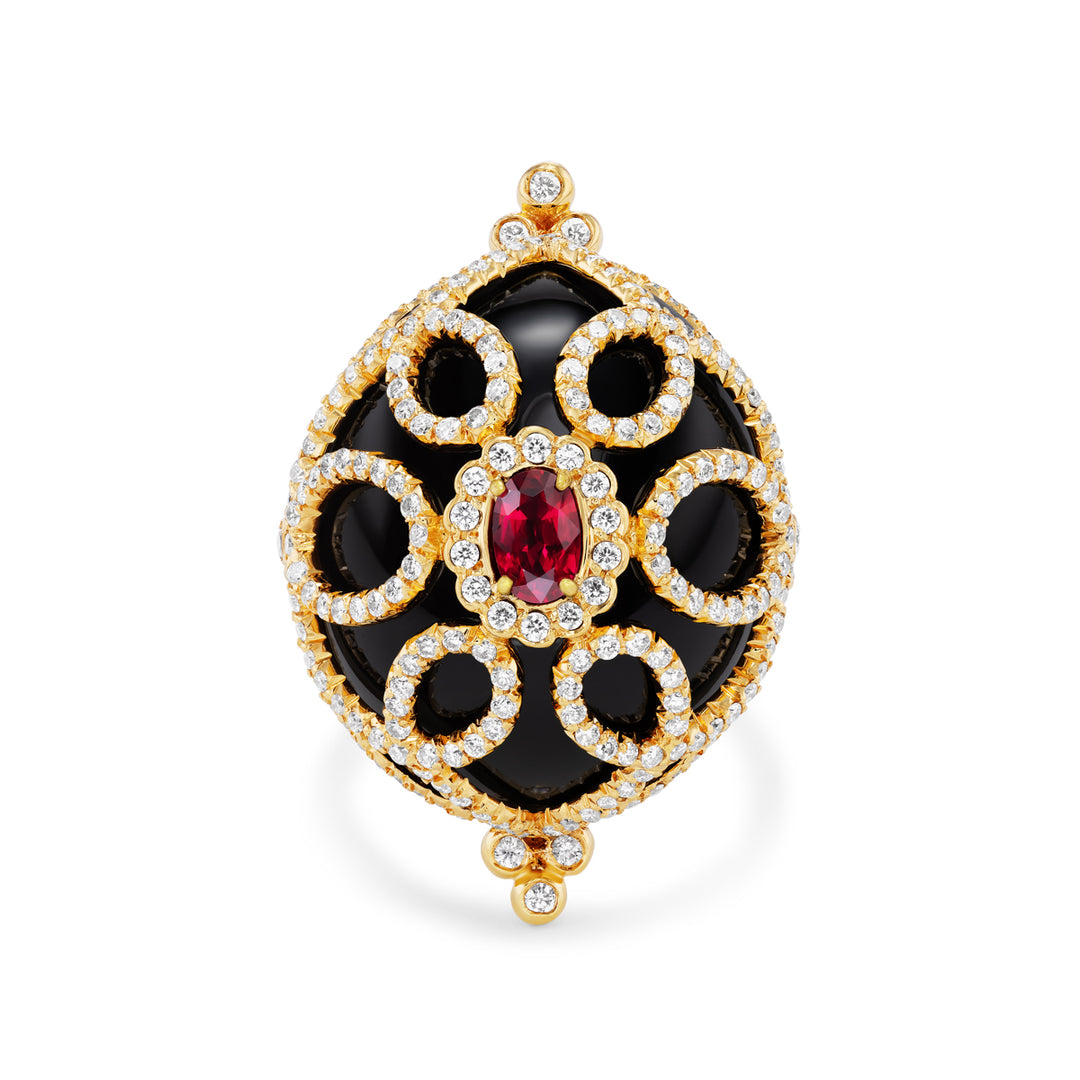
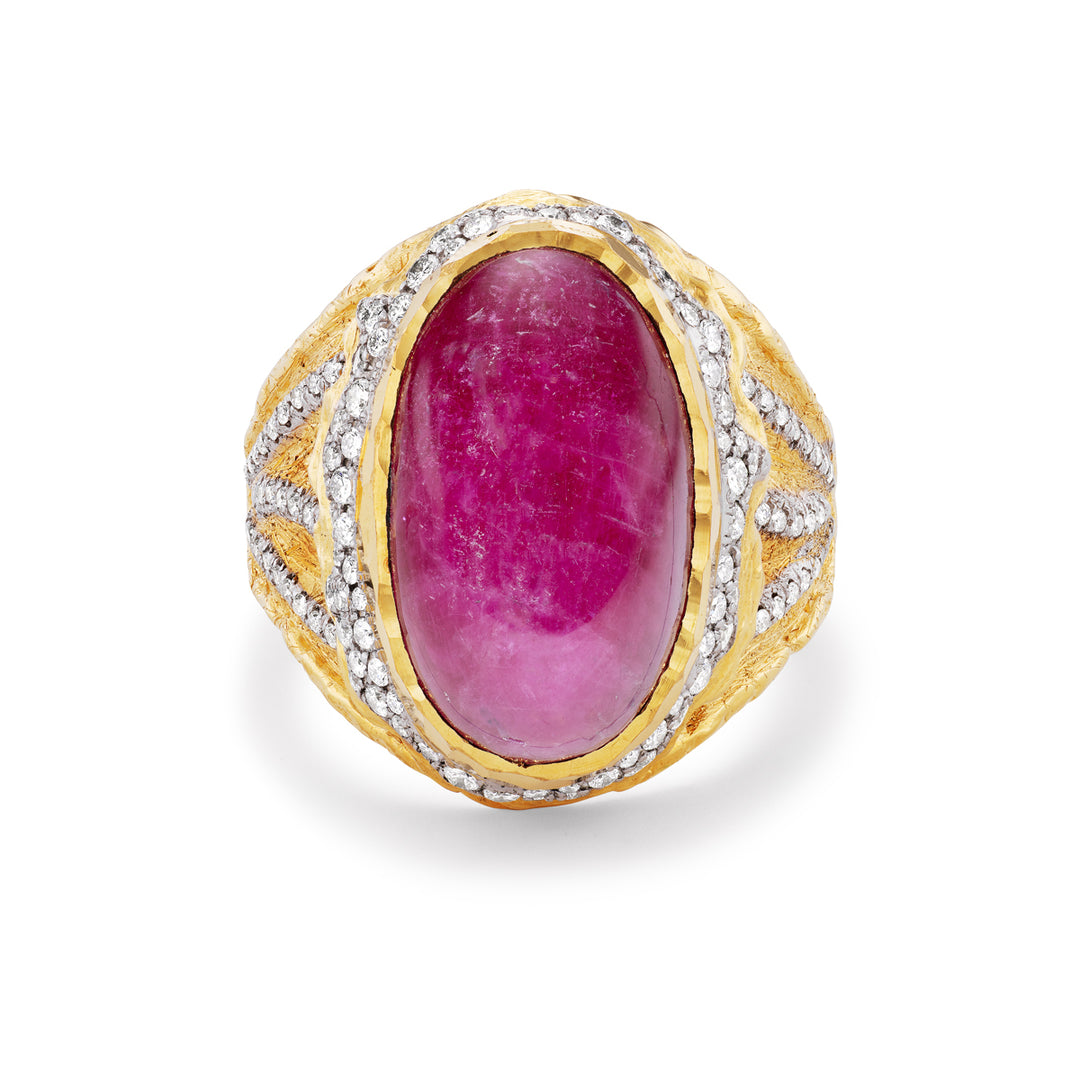
Yes, some of the world’s most famous rubies include the Sunrise Ruby, the Liberty Bell Ruby, and the Rosser Reeves Star Ruby, known for their size, color, and history.
Yes, synthetic rubies are created in labs and have the same chemical composition as natural rubies but are usually flawless and much less expensive. They are often used in various industrial applications as well as in jewelry.
Look for a well-cut ruby with a deep, vivid red color. Ensure the ruby is clear, with few visible inclusions, and always ask about any treatments it may have undergone.
Yes, rubies are often treated to enhance their color and clarity. Common treatments include heat treatment and filling fractures with lead glass.
Real rubies have natural inclusions and a soft, velvety shine. Fake rubies may look too perfect and can have bubbles inside. A jeweler's loupe can help in examining these characteristics.
Ruby has long been associated with passion, love, vitality, and courage. Historically, it was considered a stone of royalty and protection, often linked to the heart and life force.
A ruby is the red variety of the mineral corundum, colored by trace amounts of chromium. Its hues range from pinkish-red to deep crimson, with the most valuable stones showing a vivid “pigeon blood” red.
Yes. Ruby is the birthstone for July, making it a popular choice for birthday and anniversary jewelry. It is also the traditional gemstone for 15th and 40th wedding anniversaries.
Rubies rank 9 out of 10 on the Mohs scale of hardness, just below diamonds. This makes them extremely durable and suitable for everyday wear, especially in rings and bracelets.
Ruby value depends on color, clarity, carat weight, and origin. Stones with vivid red color and minimal inclusions are the most valuable. Burmese rubies, in particular, are highly prized. Prices can range from accessible fine jewelry to collector-grade investments.