


Opal Jewelry
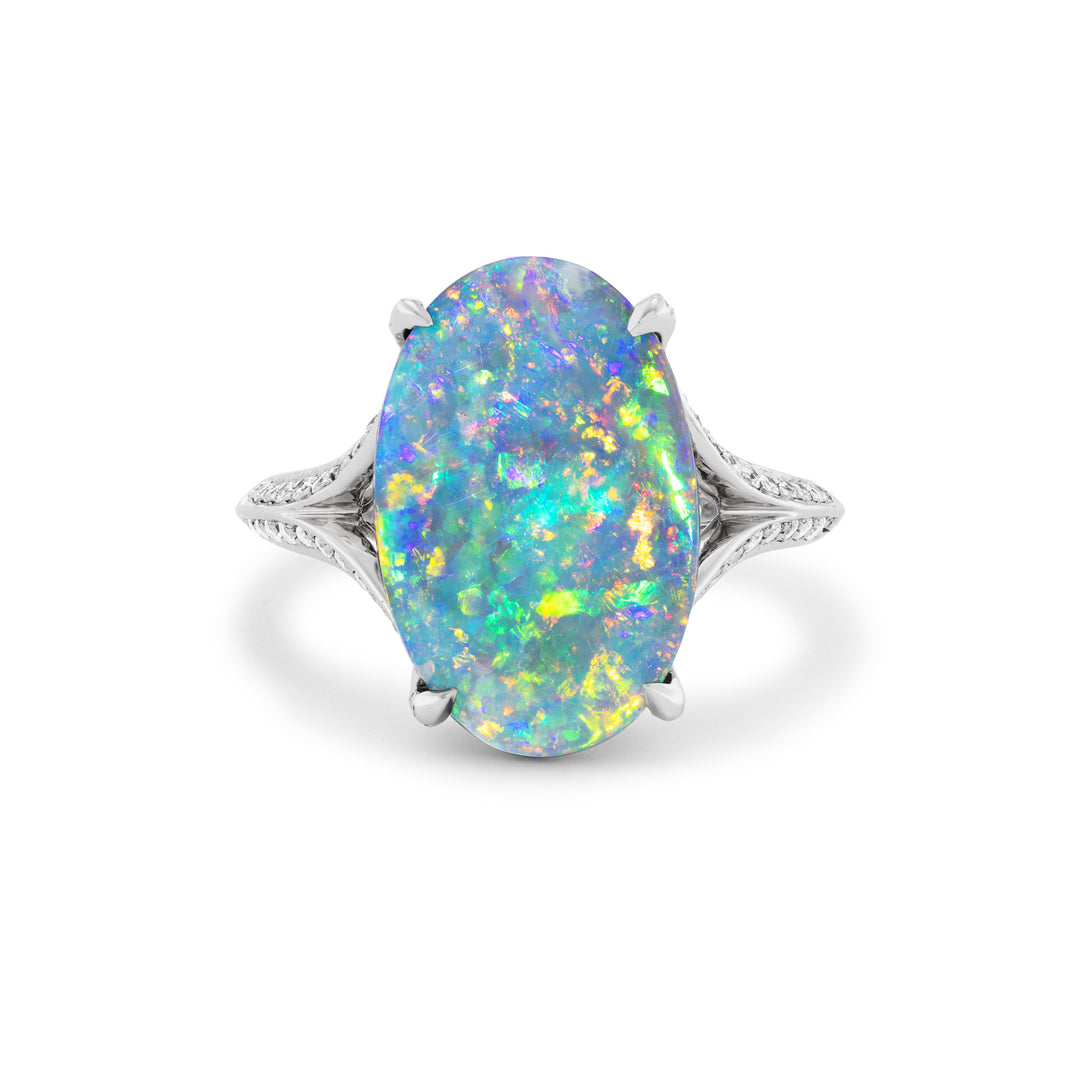
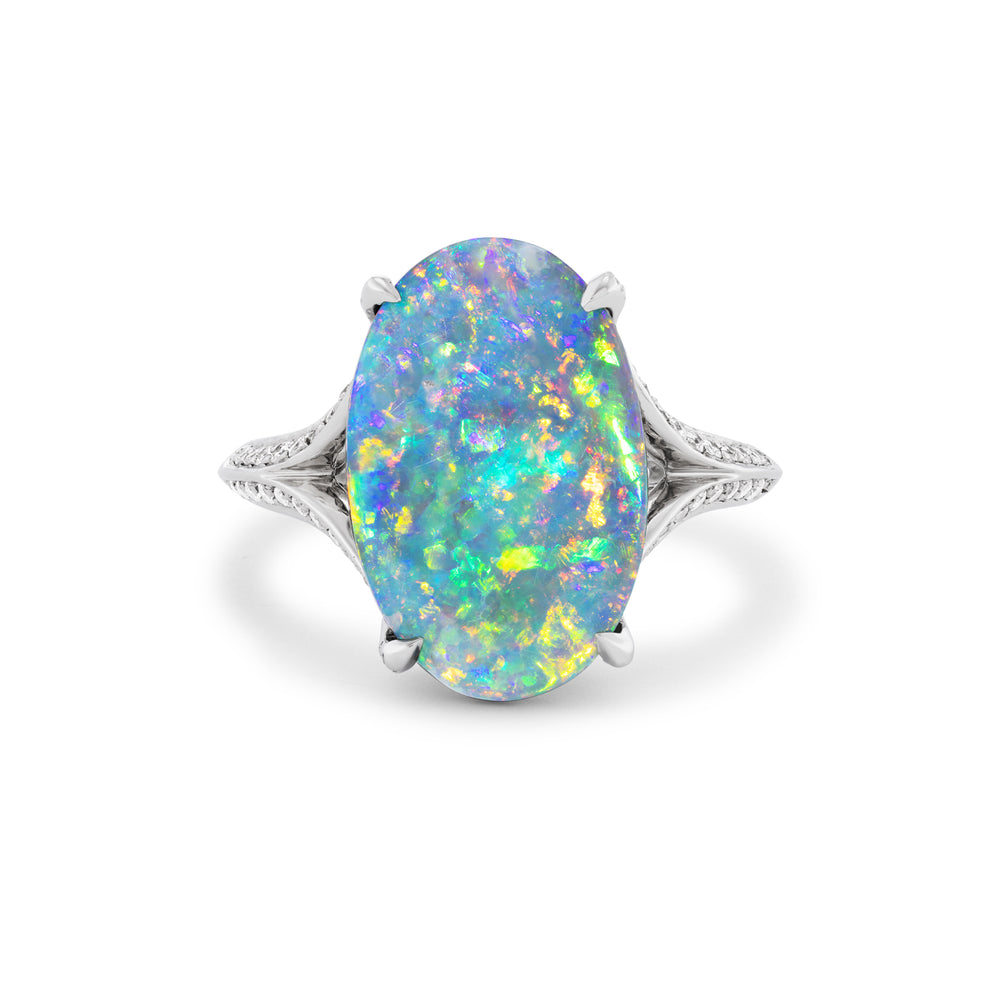
Some stones are pretty. Opal is alive. It shifts, it glows, it catches light in ways that feel almost private — like it's performing just for you. At G Marie, we've spent years curating opal jewelry from the world's most celebrated designers, pieces that belong in a category all their own. Whether you're drawn to the electric play-of-color in an Australian boulder opal or the dreamy translucence of Ethiopian opal set in 24K gold, you'll find it here.




The October Birthstone
Opal is the birthstone for October — and arguably the most extraordinary of all the birthstones. While most gems wear a single color, opal contains every color, a phenomenon gemologists call play-of-color. Ancient Romans considered opal the most precious of all stones because it held the beauty of every other gem within it. The Bedouins believed opals fell from the sky during lightning storms. Arabic folklore held that they warded off evil and sharpened intuition. For a stone, opal carries a remarkable amount of lore — and earns it.
To give someone opal jewelry is to give them something that cannot be replicated. No two opals are alike. If someone you love was born in October, this is the gift.

Types of Opal
The rarest and most valuable opal in the world. Black opal gets its name not from being entirely black, but from its dark body tone — and it's that darkness that makes the play-of-color ignite. Against a black or near-black background, every flash of blue, green, and red becomes more vivid, more dramatic, more alive.
The finest black opal in the world comes from Lightning Ridge, New South Wales, Australia, where unique geological conditions produce stones found nowhere else on earth.
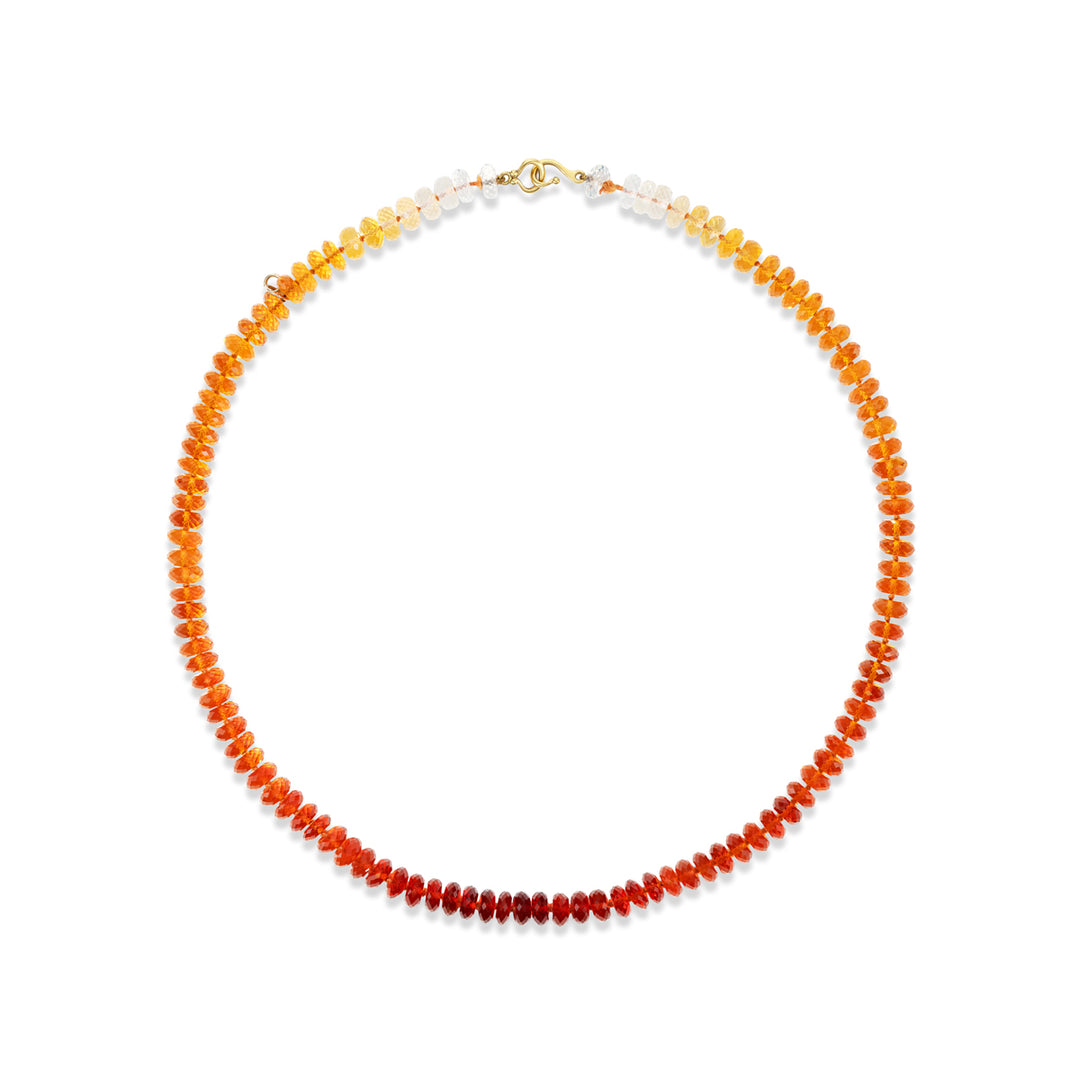
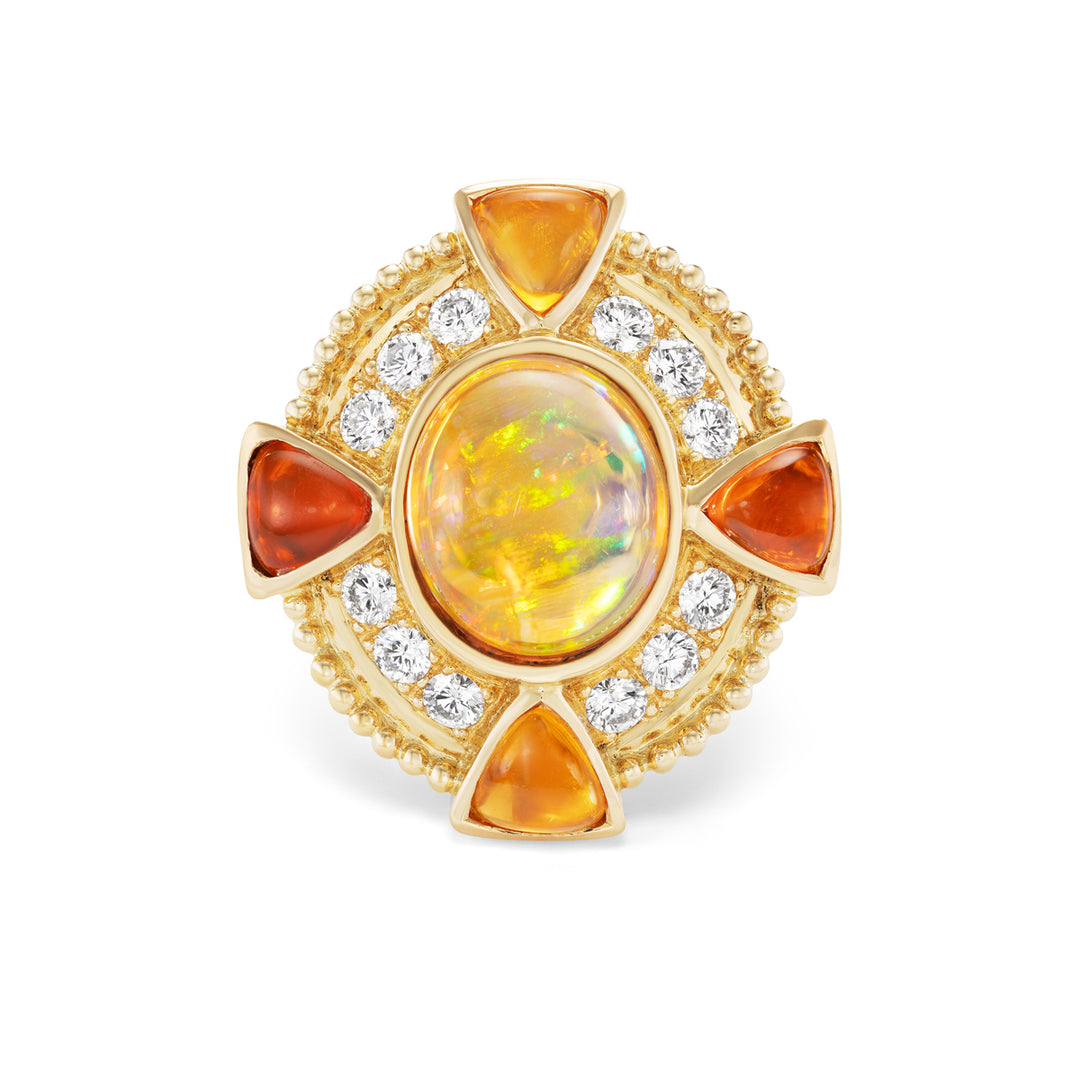
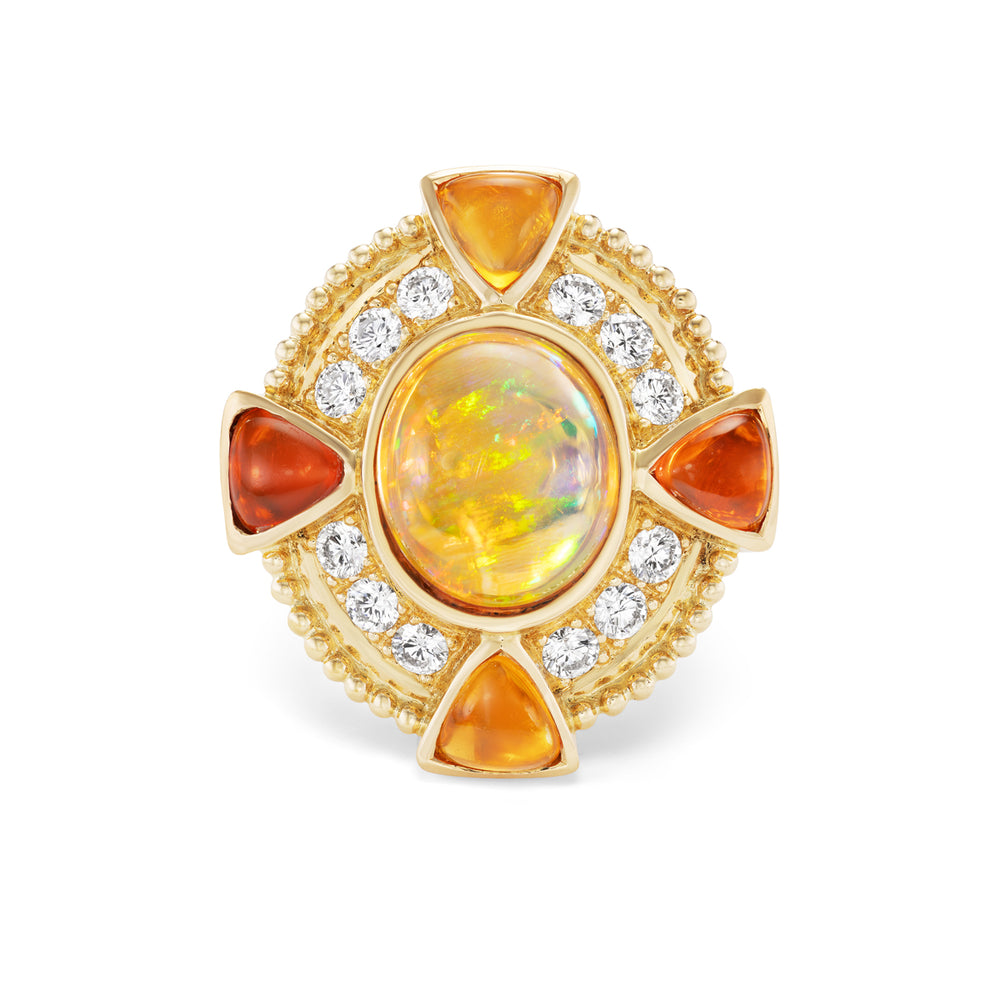
Unlike most opal, fire opal is prized for its body color — a vivid, transparent orange, red, or yellow — rather than play-of-color. It reads as pure warmth, like light caught inside the stone. Mexico is its most celebrated source.
Soft, opaque, and romantic. Pink opal doesn't flash — it glows. Peru is the most prolific source of pink opal, prized for its rich, uniform color that ranges from delicate blush to vivid rose.
The most classic variety. White opal has a light body tone that allows its play-of-color to shimmer subtly rather than dramatically — understated in the best possible way.
One of the most sought-after opals of the modern era. Ethiopian opal displays vivid play-of-color — shifting spectrums of blue, green, orange, and red that change with every angle of light. A relatively recent discovery that has become one of the most in-demand gemstones of the 21st century.
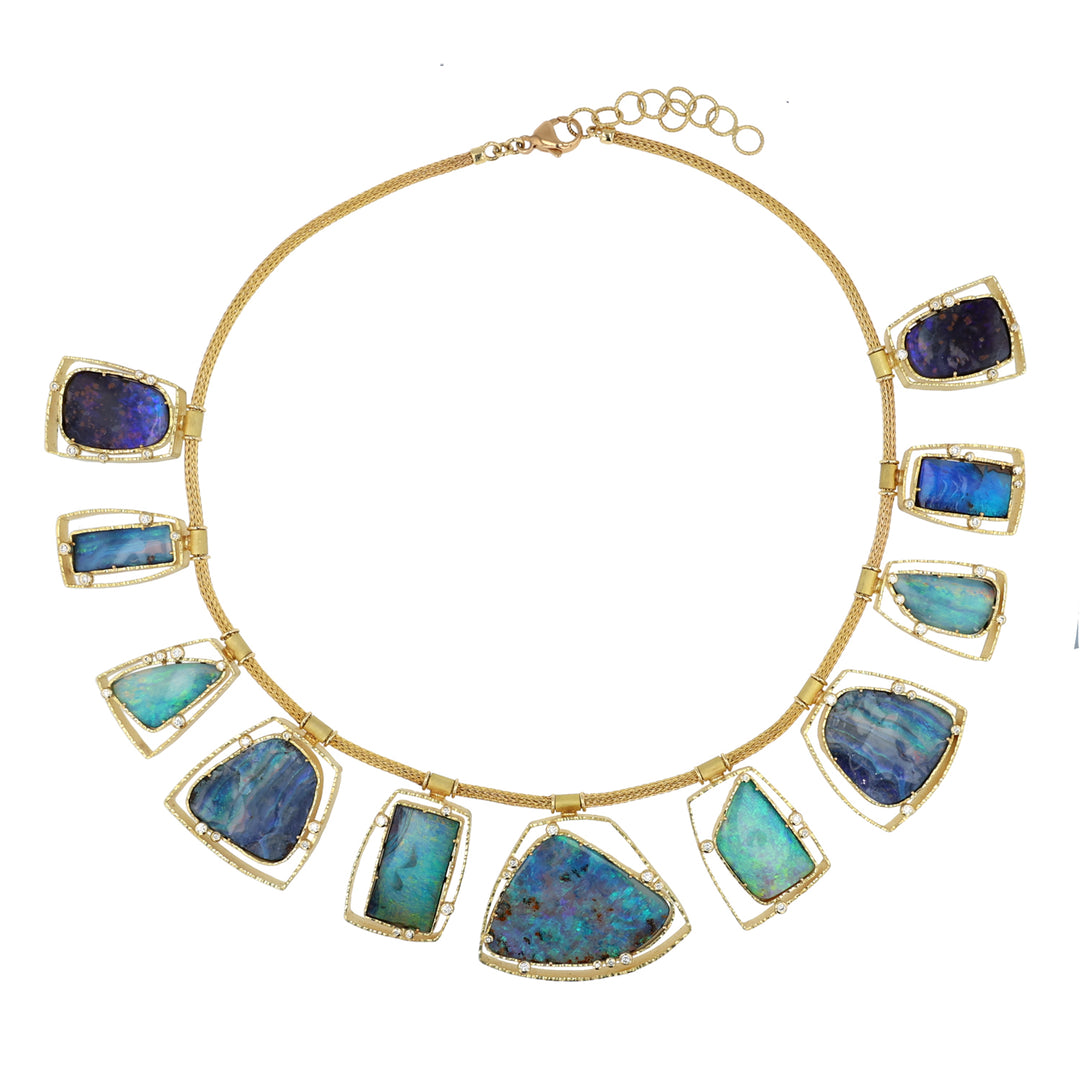
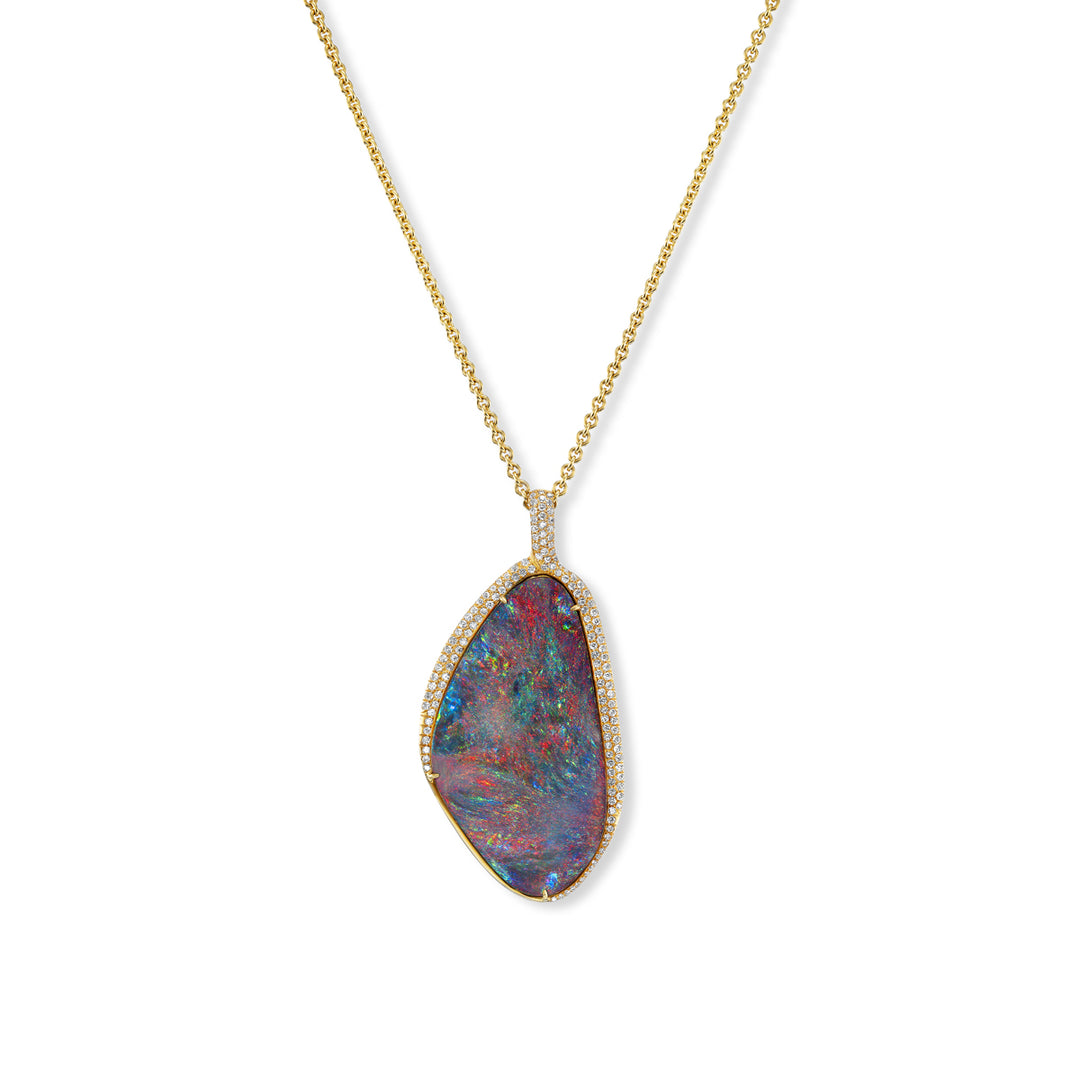
Formed within ironstone host rock, boulder opal is cut with its matrix intact — meaning the geology of the stone becomes part of the gem itself. The contrast between the ironstone and the opal's color creates patterns no cutter could replicate. Found exclusively in Queensland, Australia.
A serene blue-green opal with a calm, translucent quality unlike any other variety. Peruvian opal is a common opal — its value lies entirely in its rare, distinctive hue rather than play-of-color. Peru is the stone's primary source and considers it a national gemstone.

Opal Jewelry in Virginia Beach — and Beyond
Showroom.
G Marie Luxuries is a high jewelry destination in Virginia Beach, where opal jewelry is experienced the way it deserves to be — unhurried, intimate, and in person. Walk-ins are always welcome.
For those who want the full experience, we're happy to arrange something more private.
Luxury Without Borders.
For our clients who can't make it to Virginia Beach, we believe fine opal jewelry should know no borders.
We work with clients across the country and around the world, bringing the same warmth and expertise to every conversation — wherever you are.
Opal FAQs